


Quality &
Sustainability
Creating a better world is for us to decide, and you.
Either we can build products made to be thrown away, or we can create for longevity. We reduce environmental impact by constantly improving what we build and how we operate.
Life Cycle
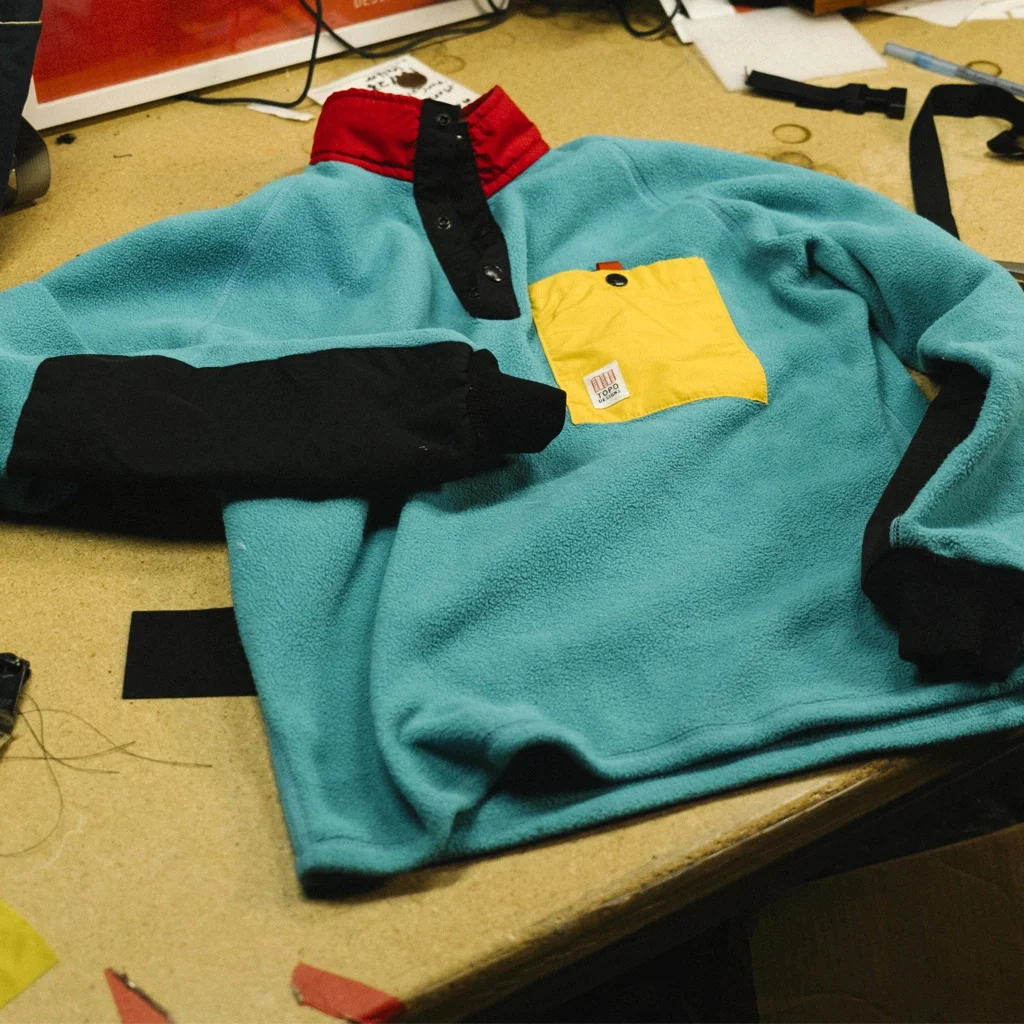
To us, the ultimate sustainability is durability. We offer lifetime warranties on packs and bags, and limited ones on apparel with our MAP Guarantee™. Our Repairs Program revives beloved products, keeping them in action longer.
Our ReMapped Resale program offers product samples and lightly used gear ready for their next chapter.
People
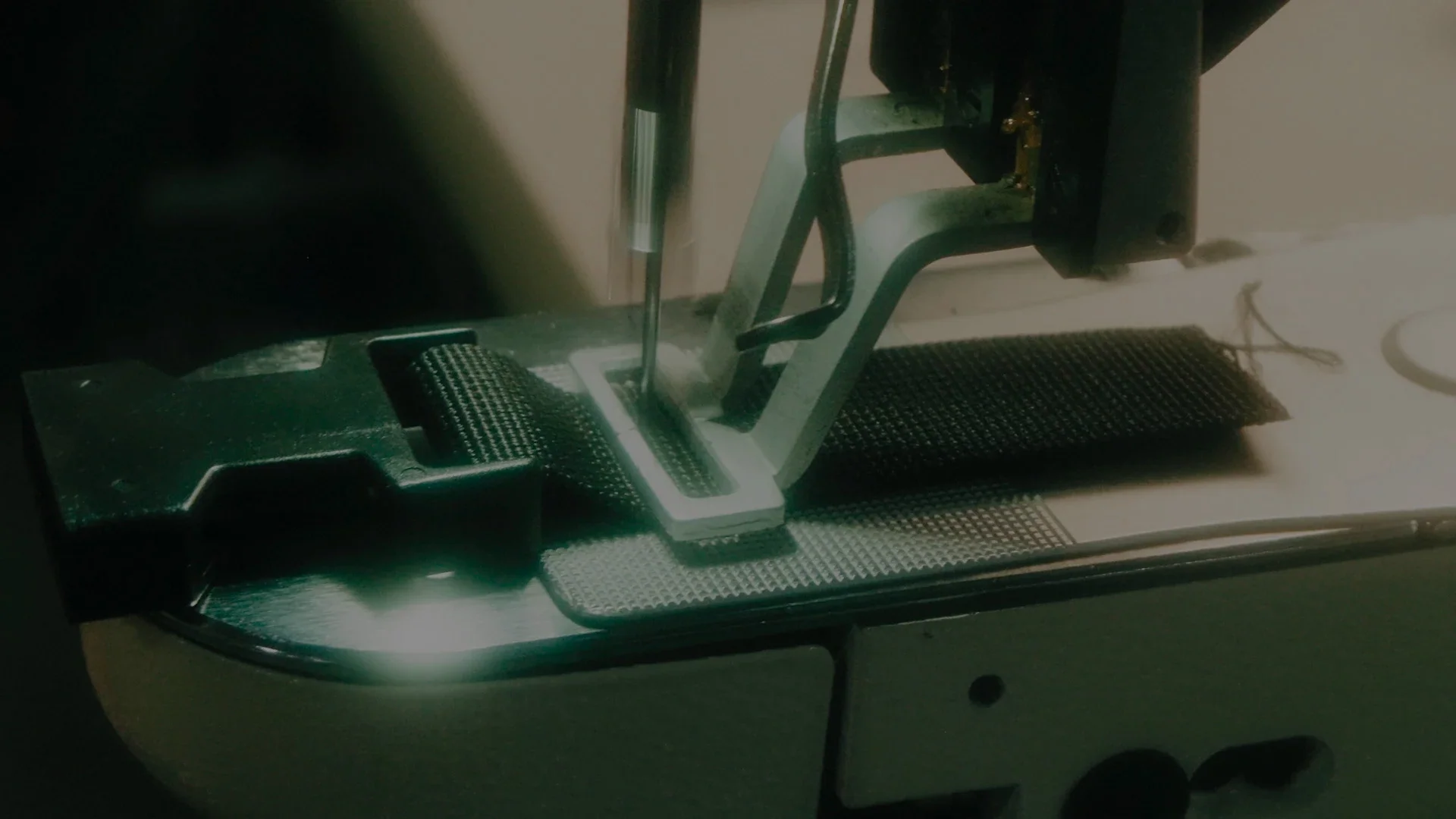
Our products thrive, thanks to our dedicated manufacturing teams. 100% of our factory partners are Fair Wear and/or Fair Trade certified, meeting fair labor standards for the safety, health, and wellness of employees. We prioritize people's safety and well-being, with zero compromises.
Product
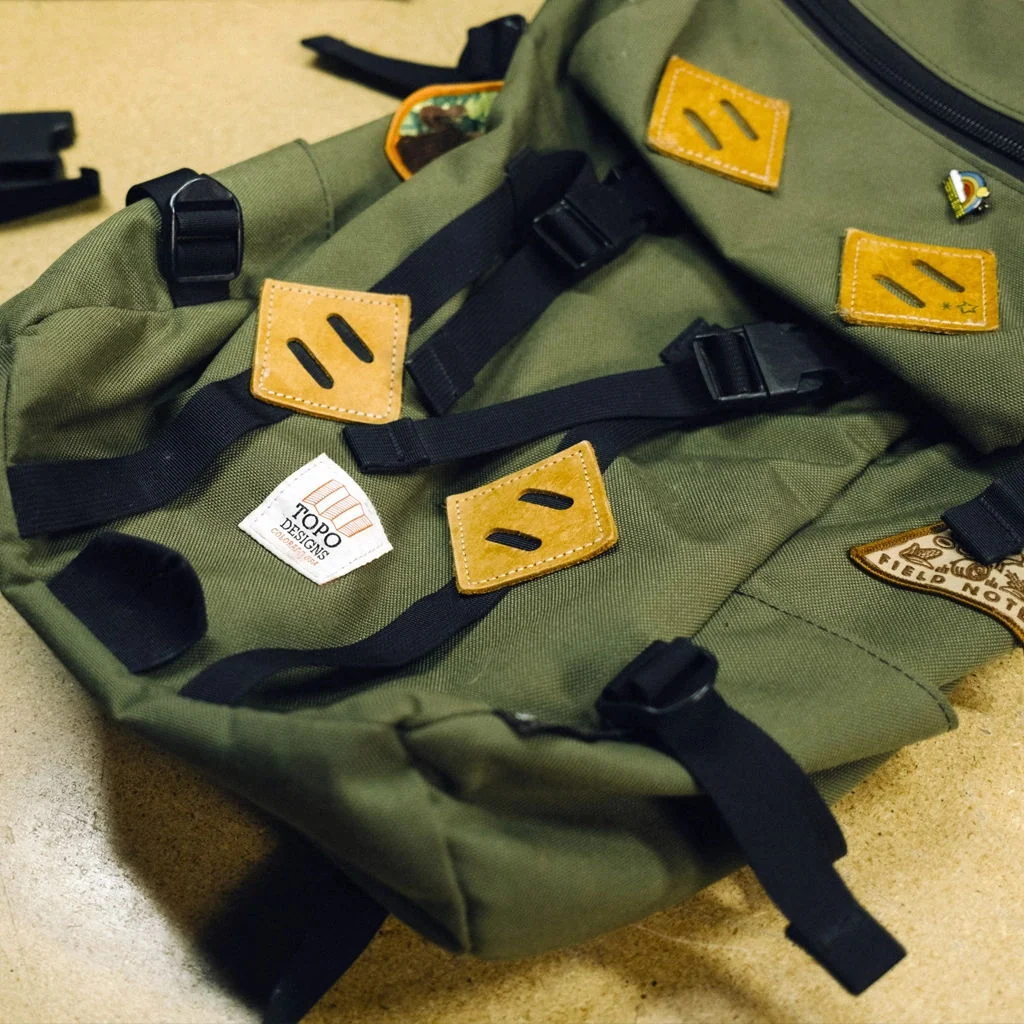
Our design choices shape our products, prioritizing quality materials for longevity. Currently, 95% of our line features organic or recycled materials, and is 100% free of harmful chemicals, including offensive dyes, PFCs, and PFAS.
Process
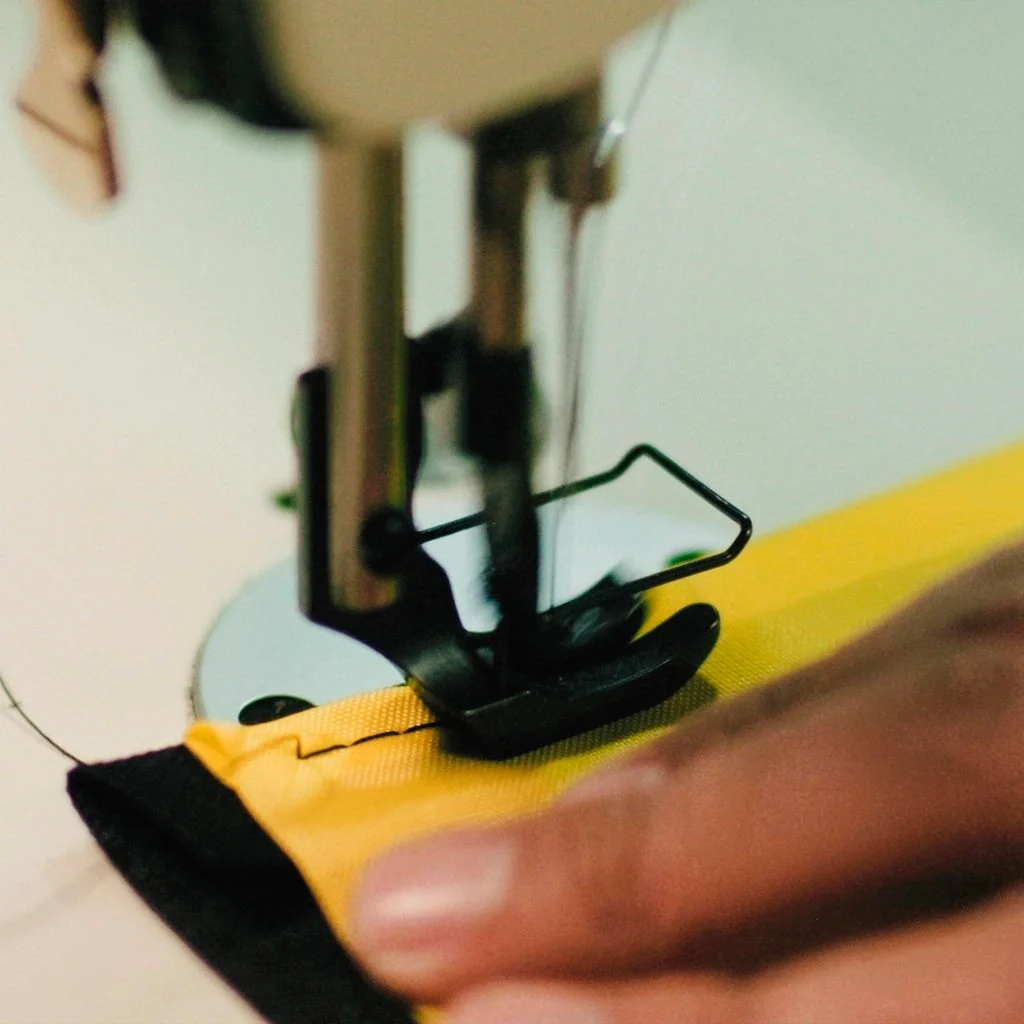
Our long-term vision for improvement is clear: minimize waste, chemicals, and energy. By 2030, we will reach carbon neutrality through eco-friendly manufacturing and carbon offsets through reforestations and community projects. Despite challenges, we're fully committed.

Environment
We're constantly innovating to deliver gear responsibly. Orders ship in compostable poly mailers and recycled corrugate. All hang tags and retail packaging are recyclable. In the future, all products will feature environmental impact metrics for supply chain and lifecycle improvements.
QUALITY MATERIALS
BUILT TO LAST
LIFETIME WARRANTY
Dig Into The Details
Reduces Environmental Impact
Our products that reduce the need for replacement, cutting raw material use, manufacturing emissions, and landfill waste. Fast fashion and disposable products contribute to 92 million tons of textile waste annually.
Supports a Circular Economy
Durable products allow for resale, recycling, and repair, ultimately reducing waste. Our MAP Guarantee™ encourages sustainability while keeping customers engaged.
Lower Overall Carbon Footprint
Producing new products consumes energy, water, and materials. By extending product lifespan, we reduce resource consumption and emissions associated with frequent replacements.
Sustainability Commitment
A focus on recycled, Bluesign®-approved, and organic materials, plus repairable designs, supports a longer product life cycle ensuring use, re-use, and passing it on to others.
Building Brand Loyalty
Made to last is in our DNA. 67% of consumers consider durability when making purchases, and many are willing to pay more for gear that's going to stick around.
Made For Everyday Exploration
Whether commuting, hiking, or traveling, our products adapt to different environments, eliminating the need for separate gear. Versatility is the core of why we make what we make.
Sustainability & Manufacturing Responsibility
Faire Trade Factory
Fair Trade certification ensures ethical, transparent, and sustainable production practices that benefit both workers and the environment. As of 2025, 80% of Topo Designs’ assortment is produced in a Fair Trade Certified Factory.
Wrap Certified
Producing new materials (like virgin polyester or nylon) requires significant energy, water, and fossil fuels. Recycled materials consume fewer resources and generate less CO₂, helping to combat climate change.

PFAS-Free Production
Recycling reduces the need for extracting new raw materials (like petroleum for synthetic fabrics or cotton farming), helping preserve ecosystems, water, and biodiversity.